
Rajasthan’s forts aren’t just tourist stops — they’re the state’s history written in stone. Built by warring dynasties over centuries, these forts in Rajasthan tell stories of siege, strategy, and survival. Here’s a guide to the most significant ones.https://heytrend.in/category/culture-heritage/
forts in rajasthan
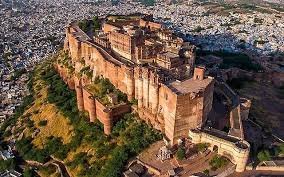
Mehrangarh Fort, Jodhpur
Perched 400 feet above the Blue City, Mehrangarh is one of the largest forts in India. Built in 1459 by Rao Jodha, its walls have withstood cannon fire and still bear the marks. Inside, the museum houses royal palanquins, weapons, and an extensive textile collection.
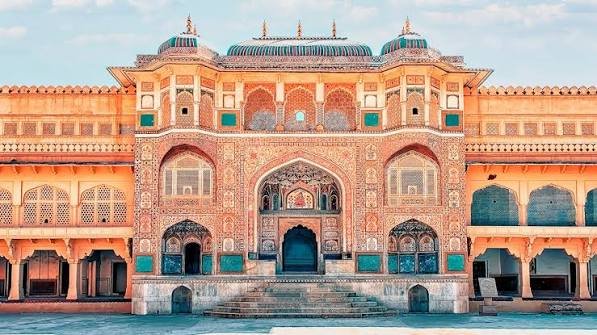
Amber Fort, Jaipur
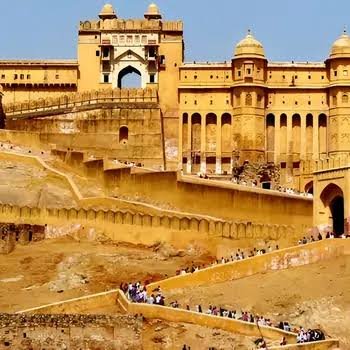
A blend of Hindu and Rajput architectural styles, Amber Fort sits on a hill overlooking Maota Lake. Its Sheesh Mahal — a hall of mirrors — was designed so a single candle could light the entire room, reflected infinitely across thousands of mirrored tiles.
Chittorgarh Fort, Chittorgarh
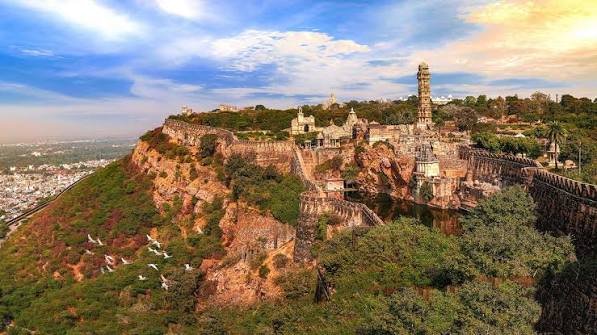
The largest fort complex in India, Chittorgarh has witnessed three major sieges and is deeply tied to stories of Rajput valor, including the legendary queen Rani Padmini. The fort spans over 700 acres and includes palaces, temples, and towers within its walls.
Kumbhalgarh Fort, Rajsamand
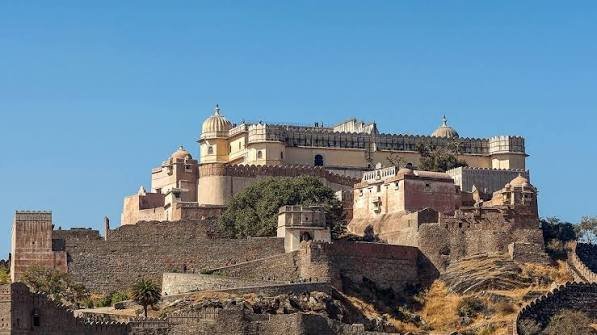
Second only to the Great Wall of China in length, Kumbhalgarh’s 36-kilometre wall snakes across the Aravalli hills. It was considered nearly impregnable and was breached only once in its history, due to a water shortage rather than military defeat.
Jaisalmer Fort, Jaisalmer
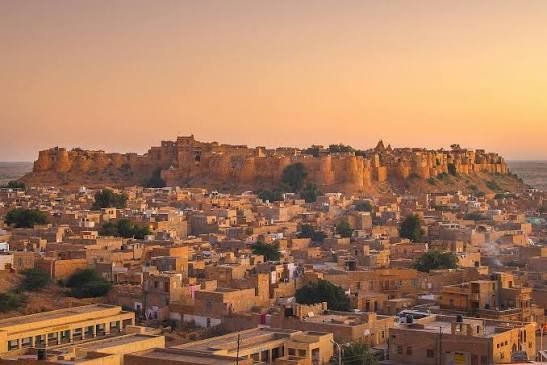
Unlike most forts that stand empty, Jaisalmer Fort is a living fort — nearly a quarter of the old city’s population still resides within its walls. Built from golden sandstone, it glows amber at sunset, earning Jaisalmer its nickname, the Golden City.
Ranthambore Fort, Ranthambore
Located within Ranthambore National Park, this 10th-century fort is now as famous for the tigers that roam nearby as it is for its architecture. It’s a UNESCO World Heritage Site and one of the oldest forts in Rajasthan.https://www.incredibleindia.gov.in/en/rajasthan
These forts in Rajasthan aren’t just remnants of the past — they’re still standing proof of how the state’s rulers built for permanence, both in stone and in story.